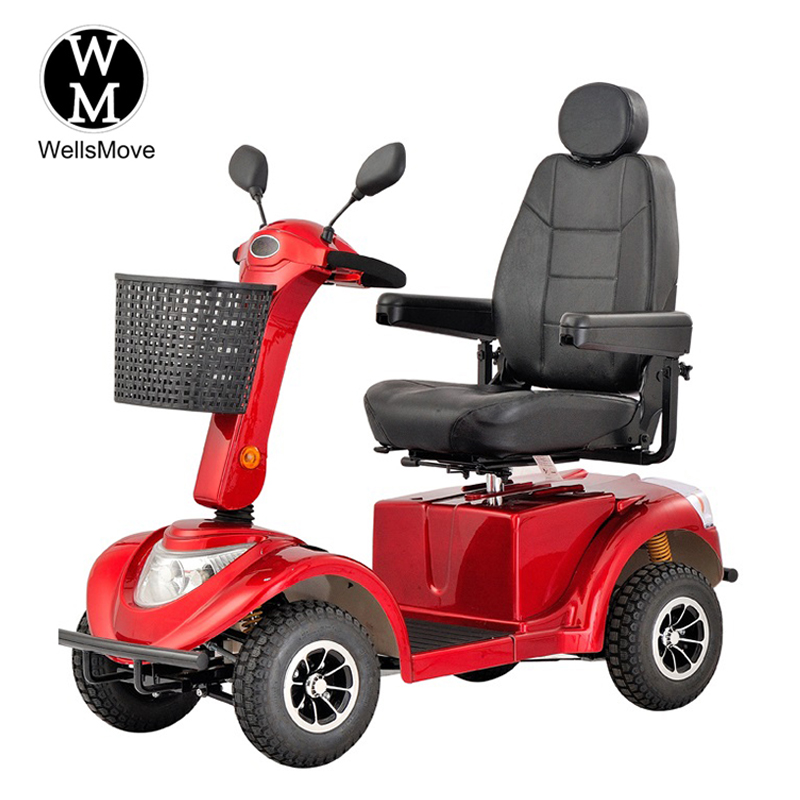
Nowadays, AI technology is iterating rapidly, from intelligent driving, voice interaction to safety warning, AI has long penetrated the field of travel, and the seemingly traditional old scooters can also be upgraded and transformed with the help of AI, making the travel of the elderly group safer, more convenient and comfortable.
The core point of old scooters is precisely the power point of AI. The elderly are slow to react, their vision and judgment are reduced, and traditional scooters lack safety protection, making them prone to collisions, slips, and getting lost. After being equipped with a lightweight AI system, the scooter can achieve multi-dimensional intelligent upgrades: through multi-sensor fusion and AI visual recognition, real-time monitoring of obstacles, slippery roads, and steep slope road conditions, triggering sound and light warnings in advance and even automatic deceleration and obstacle avoidance, building a solid line of defense for travel safety; Relying on AI voice interaction, it supports dialect recognition and simple command control, and without complex buttons, the elderly can complete navigation, call their families, and adjust the speed of the car when they open their mouths, greatly reducing the threshold for use; Combined with AI positioning and path planning, it can customize the optimal route for short-distance communities, hospitals, supermarkets, etc., and push location information to family members in real time to solve the hidden danger of getting lost.
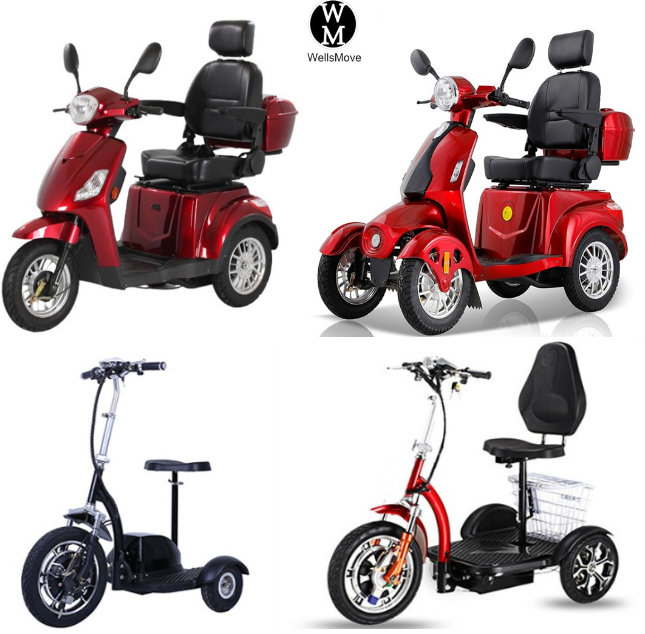
From the perspective of technology implementation, AI adaptation to older scooters does not require high-end computing power, and lightweight AI chips and low-cost sensors can meet the needs, taking into account practicality and cost performance, which is in line with the product positioning of scooters. At the same time, AI can also realize intelligent monitoring of vehicle conditions, detect the status of batteries, brakes, and motors in real time, and provide early warning of faults to avoid breakdowns halfway and extend the service life of the vehicle. Compared with automotive-grade intelligent systems, the AI application of old scooters focuses more on simplicity, practicality and safety, abandoning redundant functions, and conforming to the usage habits of the elderly group.
Of course, AI-empowered scooters of the old age also need to take into account compliance and practicality, strictly control the speed, optimize the control logic, adhere to the low-speed safety attributes of the scooter, and refuse to be overly intelligent. All in all, the combination of AI and the elderly scooter is not a technology stacking, but a precise empowerment for the pain points of elderly travel, so that technology fits the silver life, and the future lightweight and inclusive AI scooter will surely become the mainstream choice for elderly travel, guarding every step of the elderly with technology.
Hope the fast developing AI can soon applied to mobility scooters and bring seniors and disabled people a more convenient and happy daily life. If you have idea, share with us.